
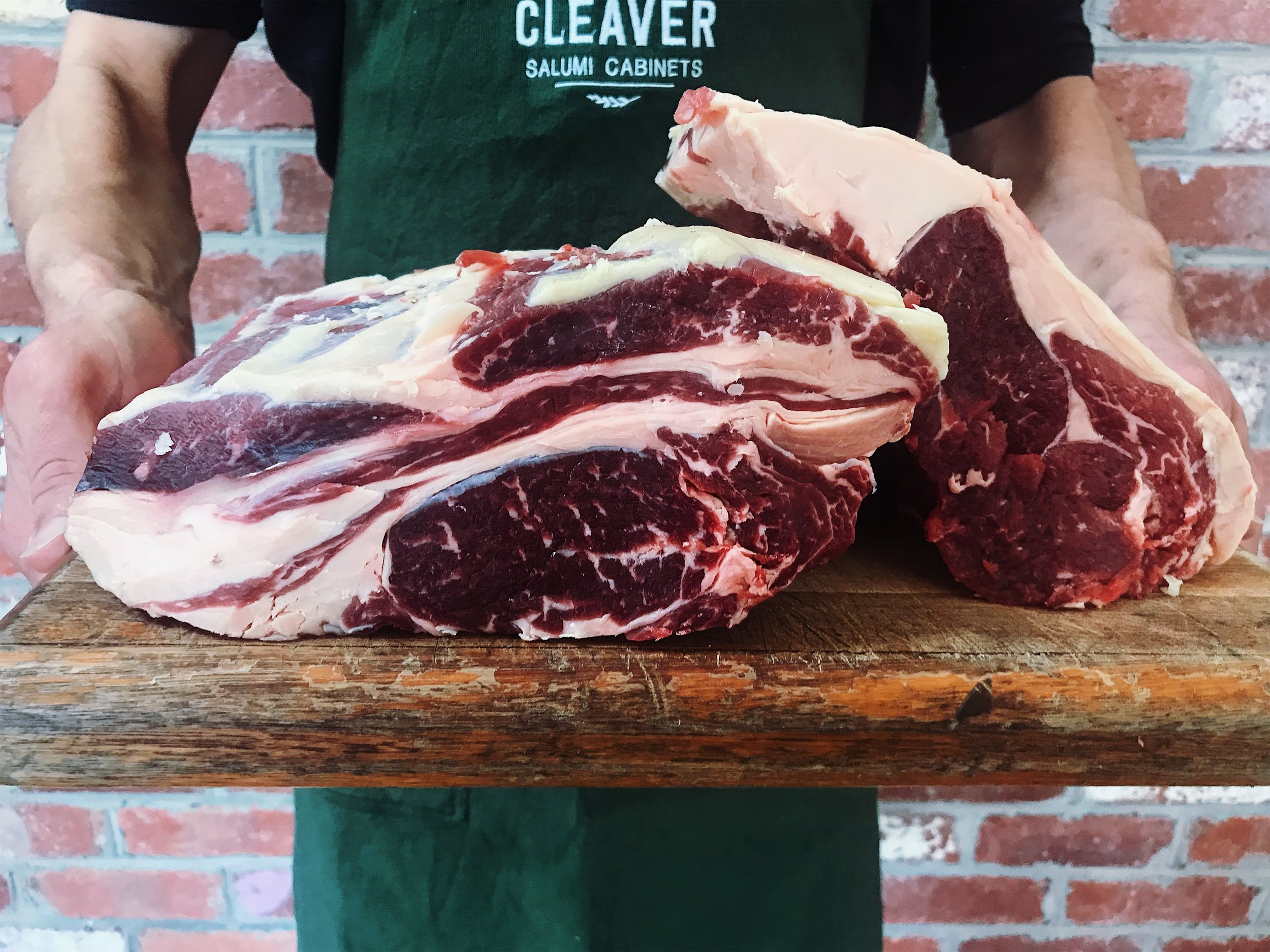
{DRY AGED BEEF}
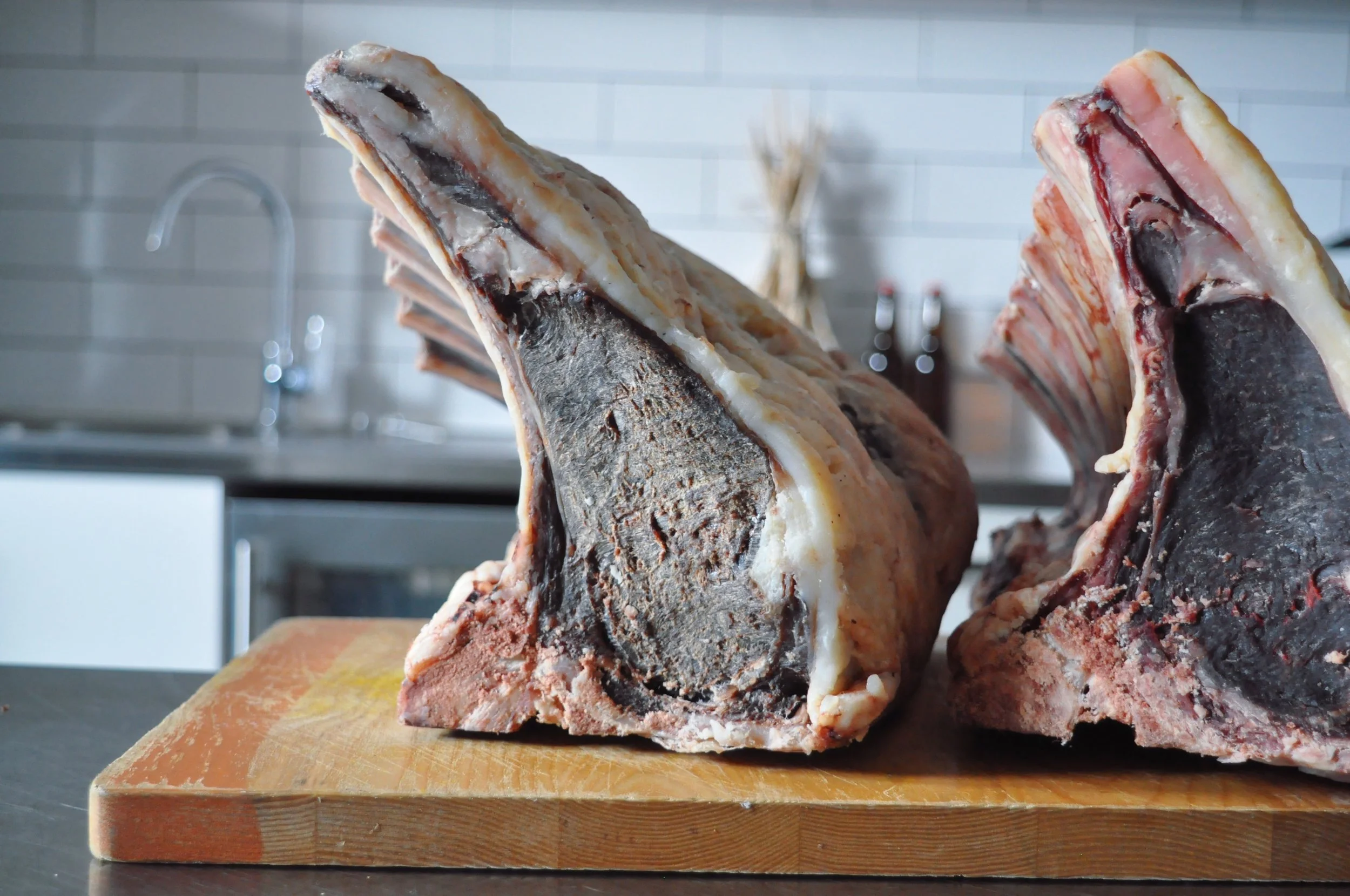
Dry ageing is a traditional process used to enhance the flavour, tenderness, and eating quality of beef. Larger cuts of beef can be stored in the controlled environment of a CLEAVER Salumi Cabinet for anywhere from several weeks to several months, allowing natural enzymes and controlled moisture loss to transform the meat.
Unlike wet ageing, where meat is vacuum sealed in plastic, dry aged beef is exposed to air under precise temperature, humidity, and airflow conditions.
The result is beef with a richer, deeper flavour and a tender, buttery texture prized by chefs, butchers, and steak enthusiasts.
{What is Dry Ageing?}
1. Selecting the Right Cut
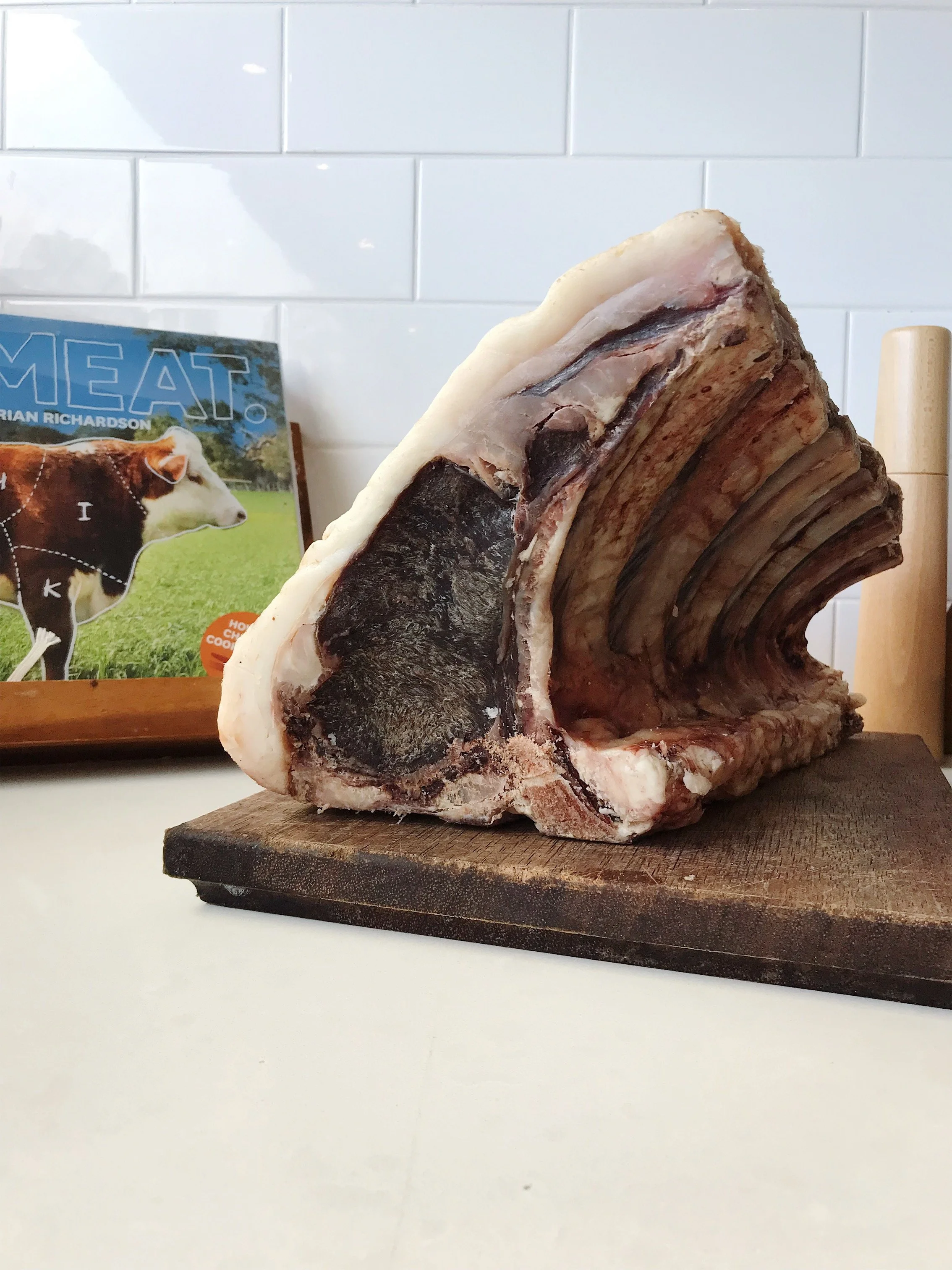
Not every cut of beef is suitable for dry ageing. The process works best with large primal or sub-primal cuts that have:
A protective fat cover
Bone-in structure
Good marbling
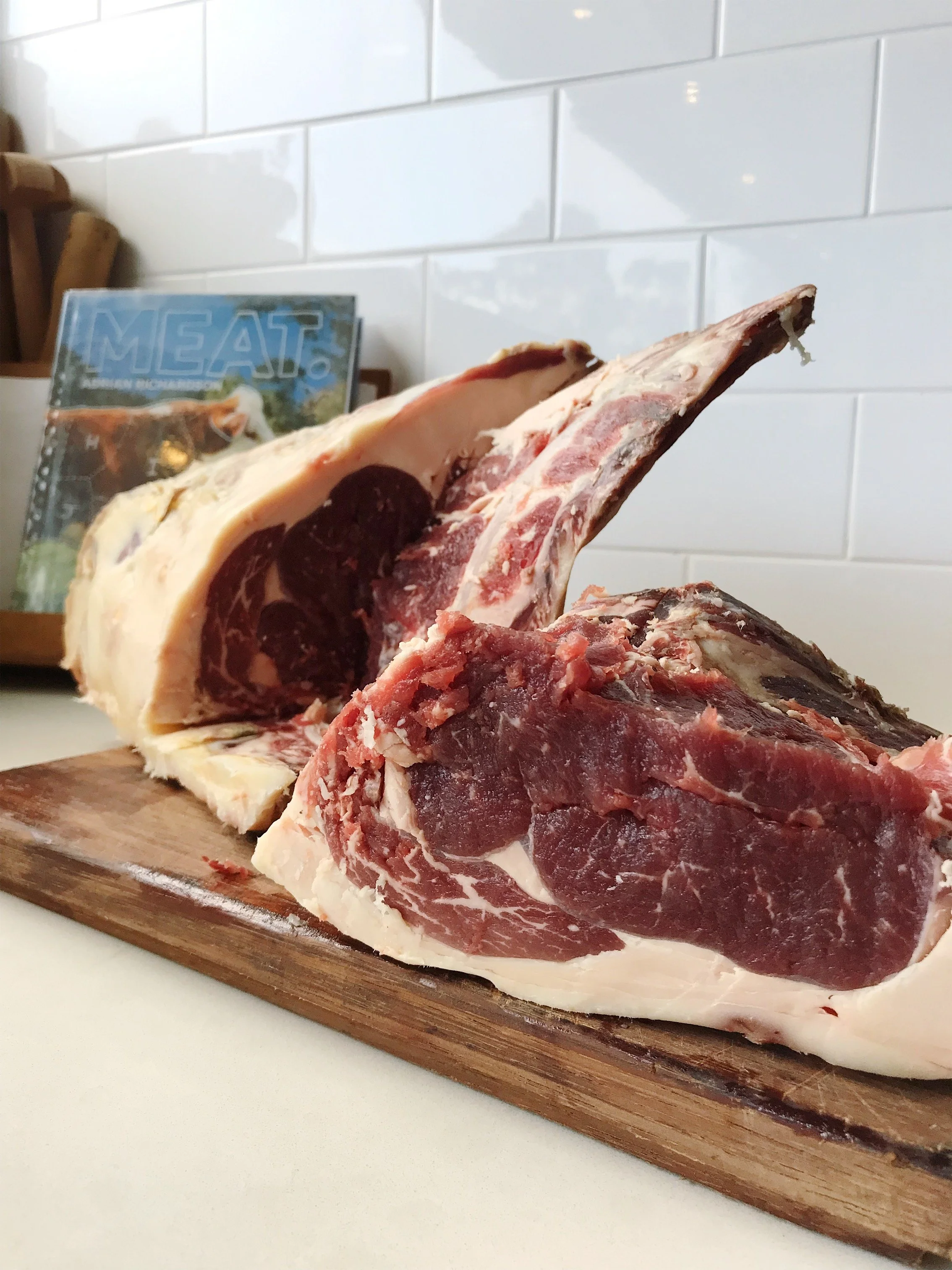
The best result is meat which will prepared and served as steaks or roast, rather than cuts which might be slow cooked or smoked. Popular cuts include ribeye, striploin, sirloin, and porterhouse sections.
{How the Dry Ageing Process Works}
2. Controlled Environment
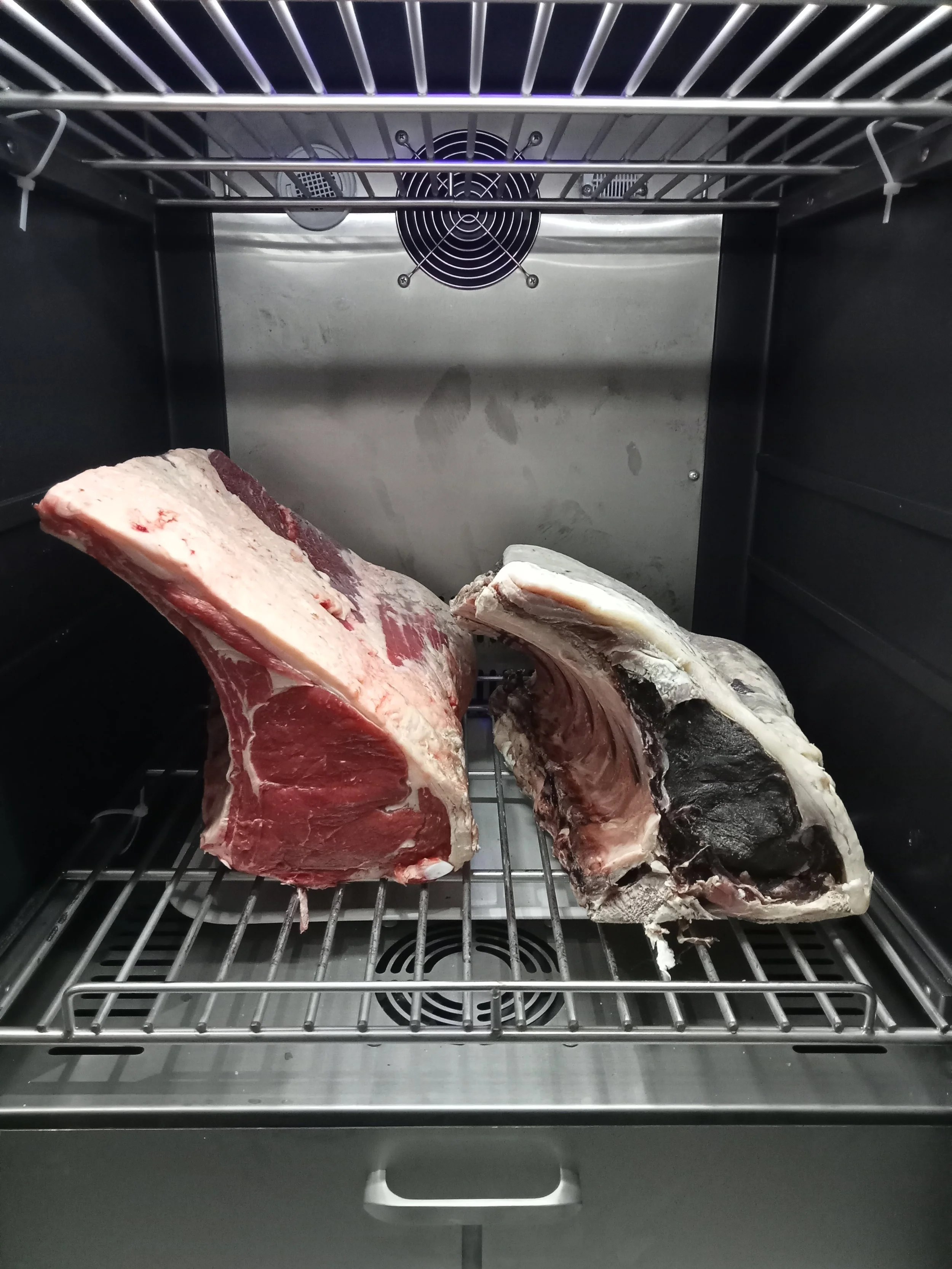
Long term storage or ageing of beef requires an environment where the conditions can be controlled and managed to prevent spoilage and excessive yield loss. This is where your CLEAVER Salumi Cabinet comes into play:
Temperature: 1°C to 3°C
Humidity: 75–85%
Airflow: Even, passive circulation
Microbial Control: UV light and Air Sterilisation System
3. Formation of the Crust
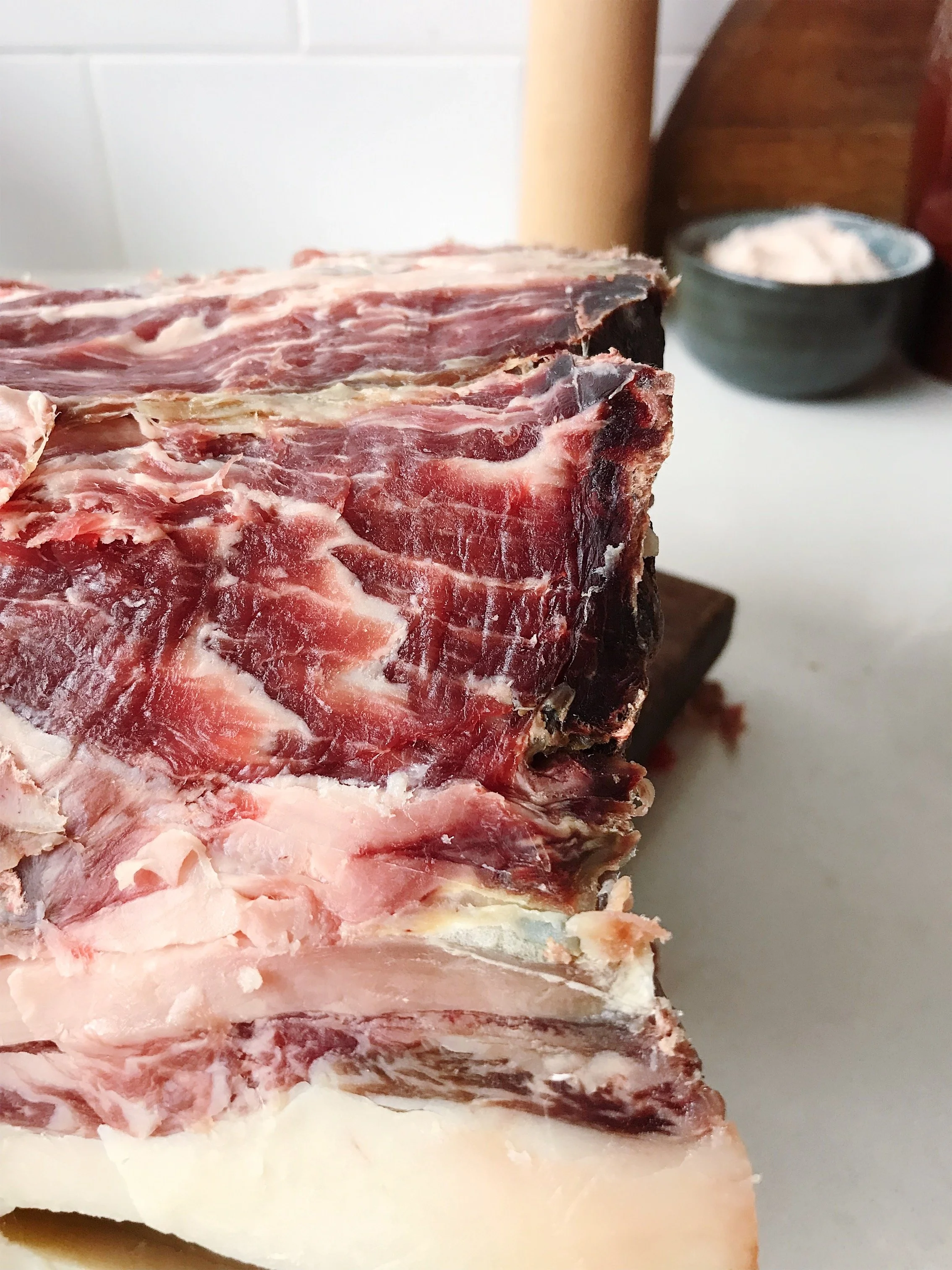
As the meat ages, the outside surface dries to form a hard crust, a rind or “pellicle”. The fat cap and bone are also important to protect the meat as well.
This outer layer protects the internal meat from bacterial spoilage and excessive moisture loss.
The meat inside only loses a small amounts moisture, but concentrates the moisture over the ageing process which intensifies the natural beef flavour, creating the distinctive nutty, earthy, and umami-rich profile associated with premium dry aged beef.
Weight loss during ageing typically ranges from 10–20%.
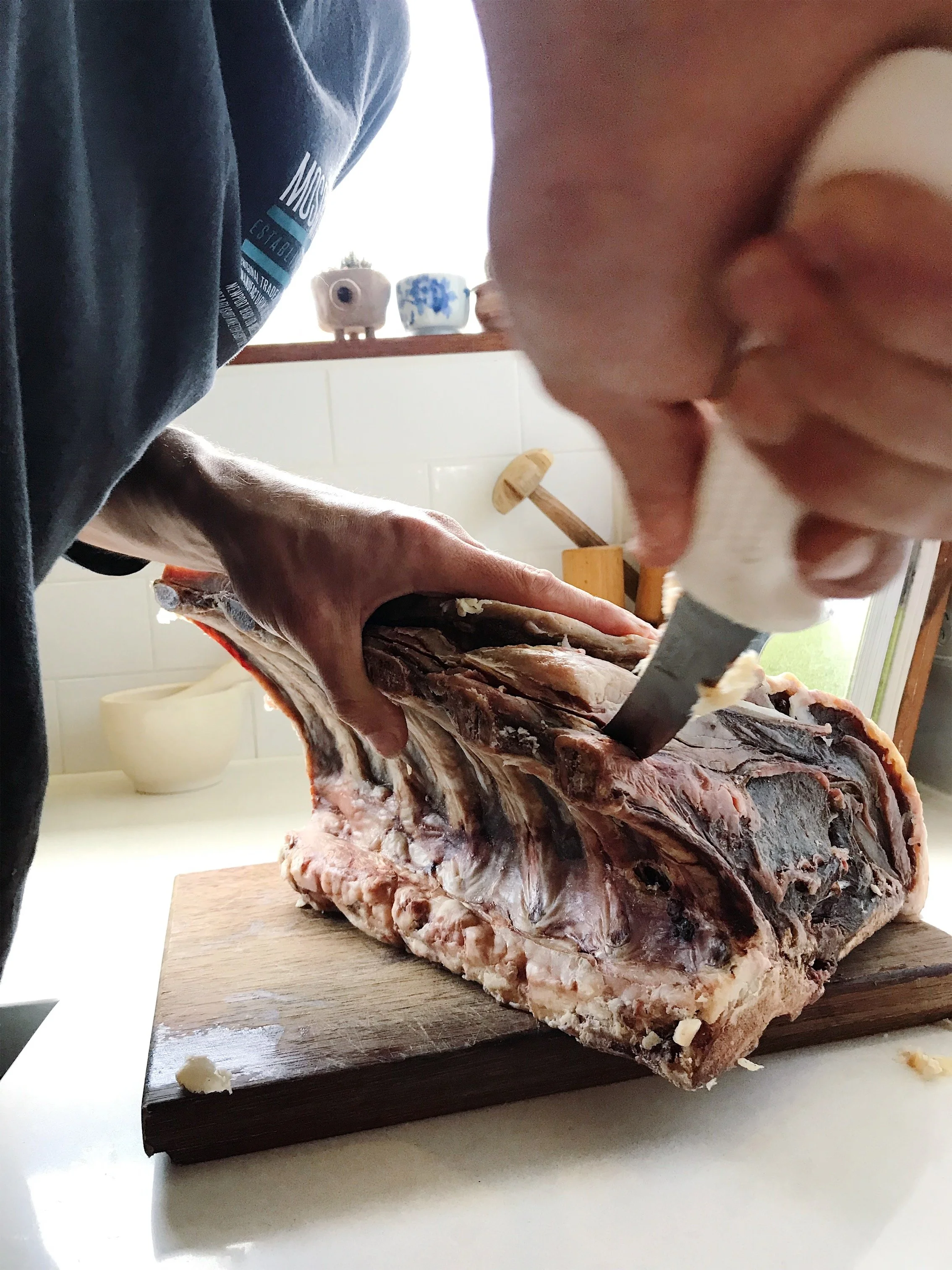
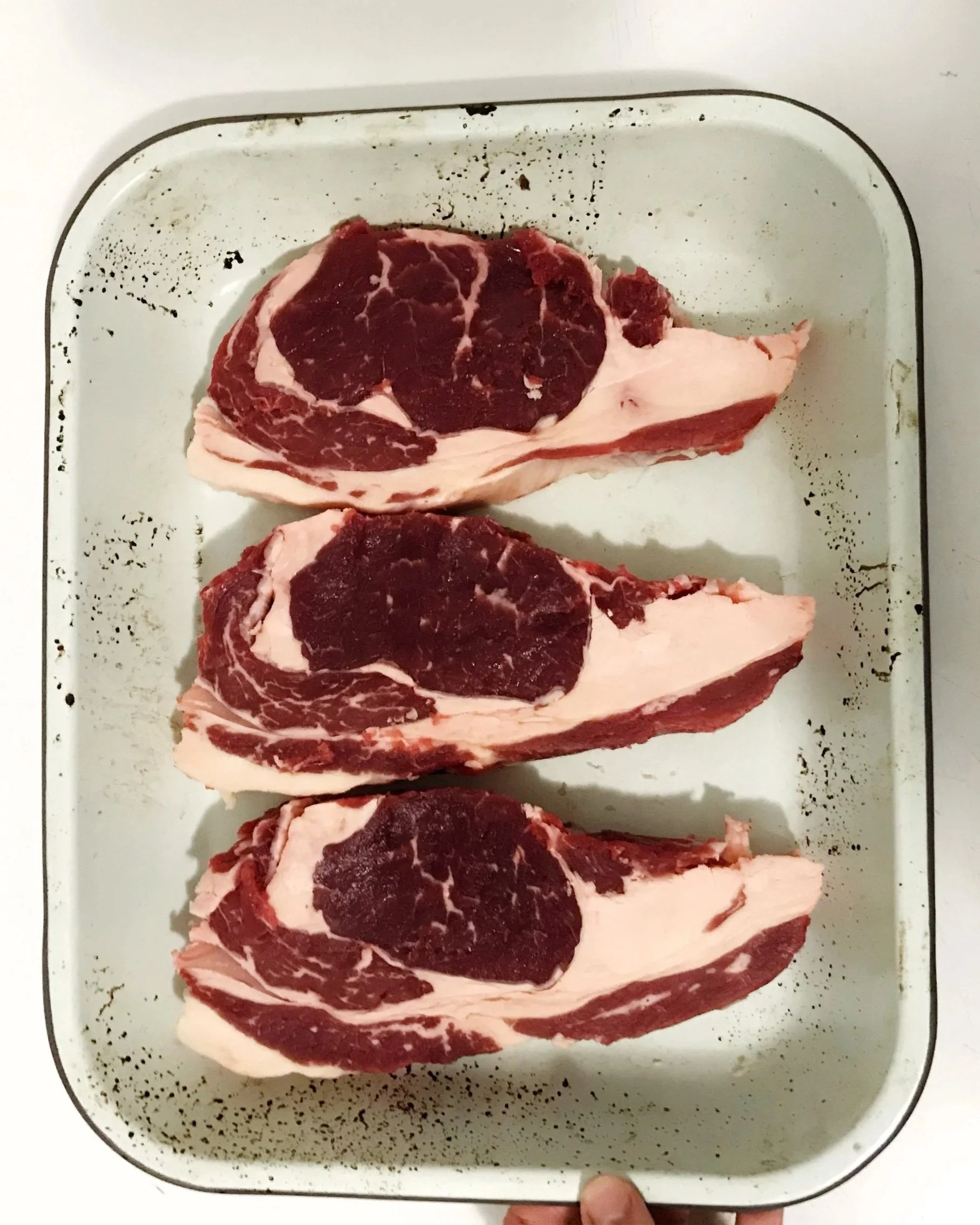
The crust, oxidised fat and bone is generally trimmed away before the beef is portioned into steaks. The bone and trim can be used to make stock.
4. Natural Enzyme Activity
Protected inside the crust, naturally occurring enzymes within the meat begin breaking down muscle fibres and connective tissue.
This process:
Improves tenderness
Creates a softer mouthfeel
Enhances overall eating quality
Over time, the beef develops a more complex flavour and delicate texture.
What Does it Taste Like?
Dry ageing dramatically changes the flavour profile of beef.
Depending on meat and ageing time, flavours may develop from:
Rich and buttery
Nutty and savoury
Earthy and umami-forward
Intensely beefy with blue-cheese-like complexity in extended ageing
The longer the ageing period, the more concentrated and complex the flavour becomes.
Typical Dry Ageing Timeframes
14–21 Days | Mild tenderness improvement, subtle flavour
28–35 Days | Balanced flavour and tenderness
45–60 Days | Rich, nutty, intense beef flavour
75+ Days | Highly concentrated, funky, complex character
Many steak specialists consider 30 to 45 days the ideal balance between flavour and tenderness.